
7 minute read
Smart insight and clear visuals that matter – what we’re watching now and how intention and conviction shape our portfolios.
Markets
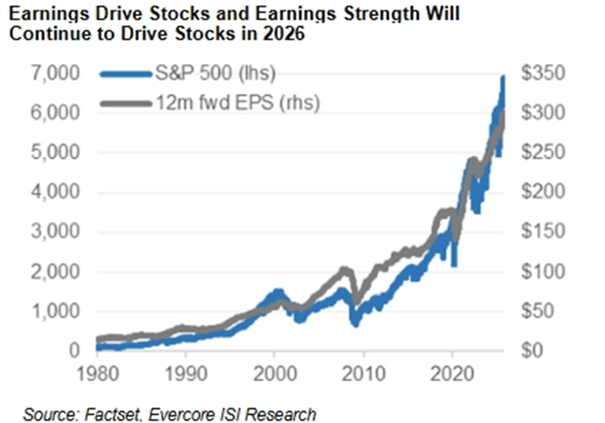
First quarter earnings season is tracking ~13% growth YoY, reinforcing a double-digit EPS year ahead. Since 1996, there have been 11 years when S&P 500 Earnings growth has been +10% or higher. Ten out of eleven of those years, the S&P 500 has had a positive return, averaging 13%. Consensus calls for double digit EPS growth in 2026 (+18% YoY) for the S&P 500.
What worked last year does not work this year
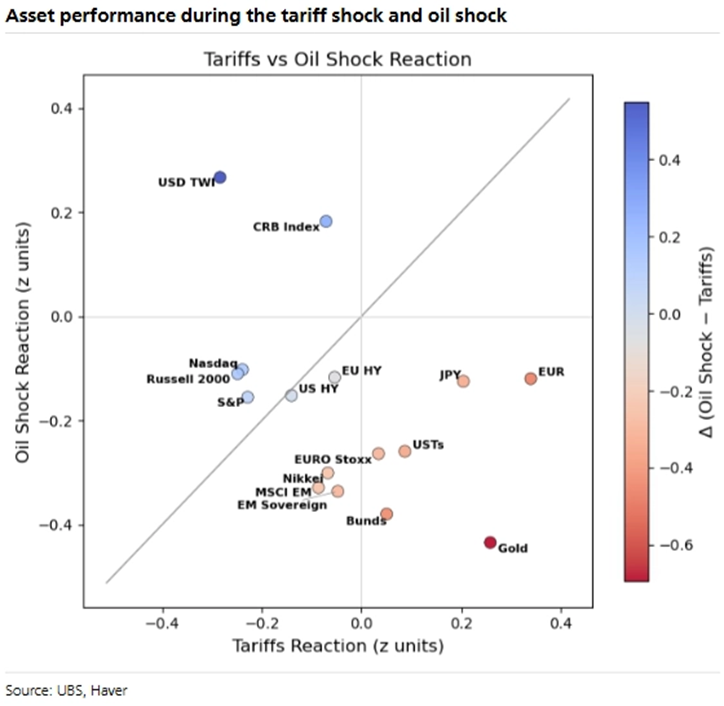
The past two years have been defined by two distinct episodes of market stress that behaved in opposite ways:
- The 2025 Tariff Shock (Feb–April): This was a classic "risk-off" environment. Trade-related volatility sent investors back to the traditional playbook. Gold, the Japanese Yen, and Government Bonds (USTs and Bunds), worked to cushion portfolios.
- The 2026 Oil Shock (Feb–April): Fast forward to this year’s energy-driven volatility, and the former protectors offered minimal shelter. Instead, the only assets left standing were Commodities and the U.S. Dollar.
Calling commodities a "safe haven" in 2026 may be inappropriate. An asset cannot be a refuge when it is the primary source of fire. While commodities provided positive returns, they did so as the driver of the shock, not as a defensive offset. Similarly, the U.S. Dollar’s dominance is deceptive. Rather than a pure "flight to quality”, its recent rally looks less about investors choosing the dollar and more about them being forced out of overcrowded, failing bets elsewhere.
The lack of a consistent, reliable hedge across different types of shocks means that the traditional playbook for protecting a portfolio may currently be broken. When the definition of "safety" shifts as fast as the shocks themselves, diversification alone isn't enough. In this environment, liquidity isn't just a preference, it may be the only real hedge left.
Oil
Over the past few months, we’ve written about where energy may be headed but today that is impossible to know. Of course, that’s because we don’t know the outcome of the Iranian conflict.
- Jet fuel trades at $200/barrel as of 4/24/2026
- United Airlines’ earnings report this week indicates that ticket prices are set to rise 15% from here as the airlines pass along the spike in jet fuel. But ticket prices won’t save the airlines because flights are booked in advance and if airlines were to raise prices to necessary levels, they would stifle demand. They have announced that 2026 will be a year without profits as fuel is 30% of airline costs.
- Demand destruction is likely occurring.
- Solutions to supply bottlenecks are back on the table, though they will take time to implement. In North America we have seen two very necessary pipelines for energy resiliency placed back on the negotiating table.
- #1 - A pipeline from Canada that would carry 1 million barrels of oil from the Canadien Prairie to the Pacific - yes cargoes will end up in San Diego if history is a guide and also the Far East.
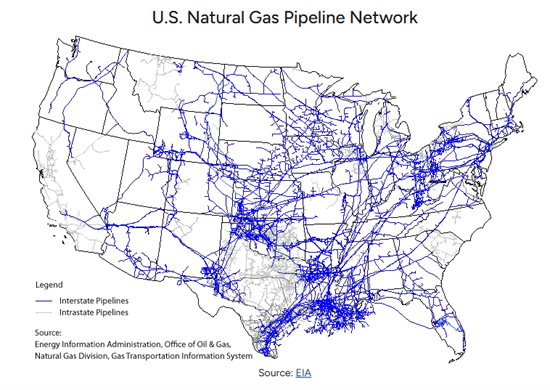
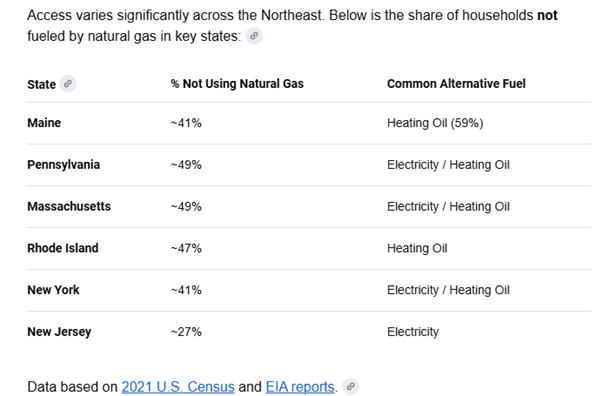
- #2 – A pipeline to bring natural gas into the Northeast where 46% of households are not using natural gas as their primary heating fuel.
Why is option 2 so bad?
The population density is the problem, see the map below where pipeline coverage looks like the NE has the density of North Dakota while the population densities are polar opposites as 12 million people sit in the Northeast versus 800,000 in North Dakota. New Englanders are going to have a very expensive winter if crude doesn’t fall. Below is a table from US Census data showing where they are getting their fuel:
Winter is Coming
While the vernal equinox was just a few weeks ago and the days are getting longer, we have discussed jet fuel and heating oil are two markets that create risk.
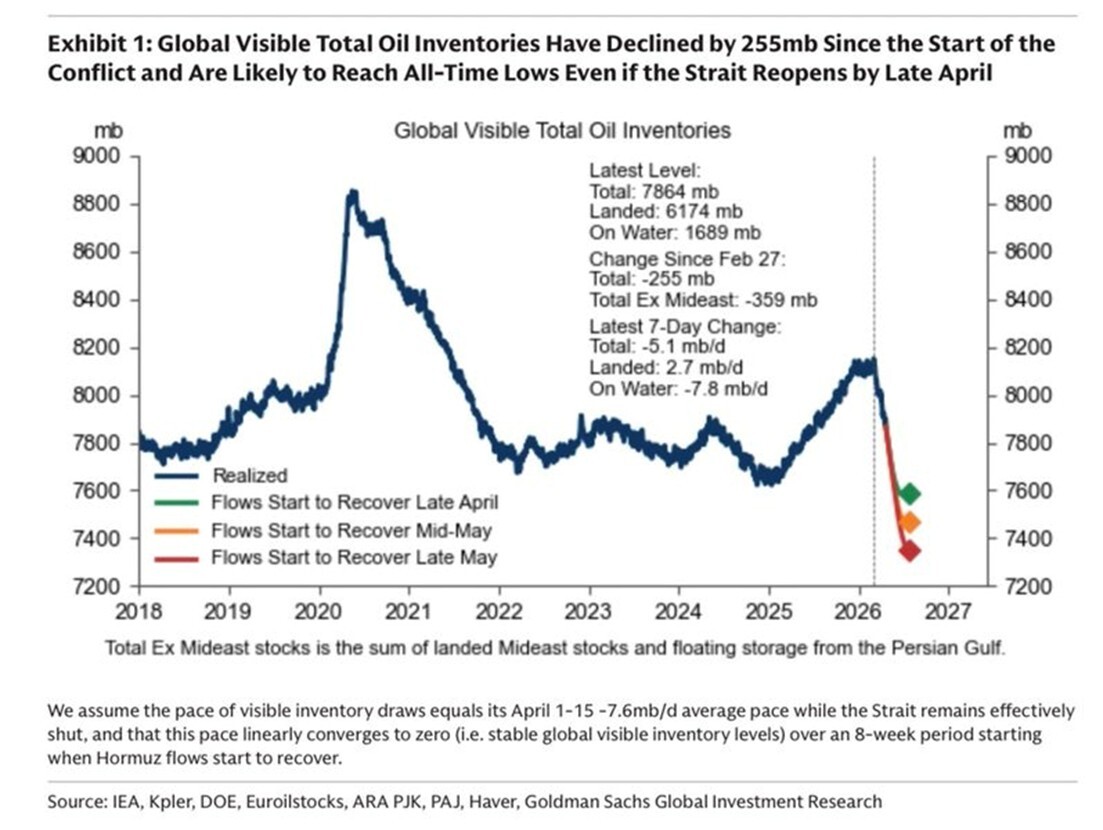
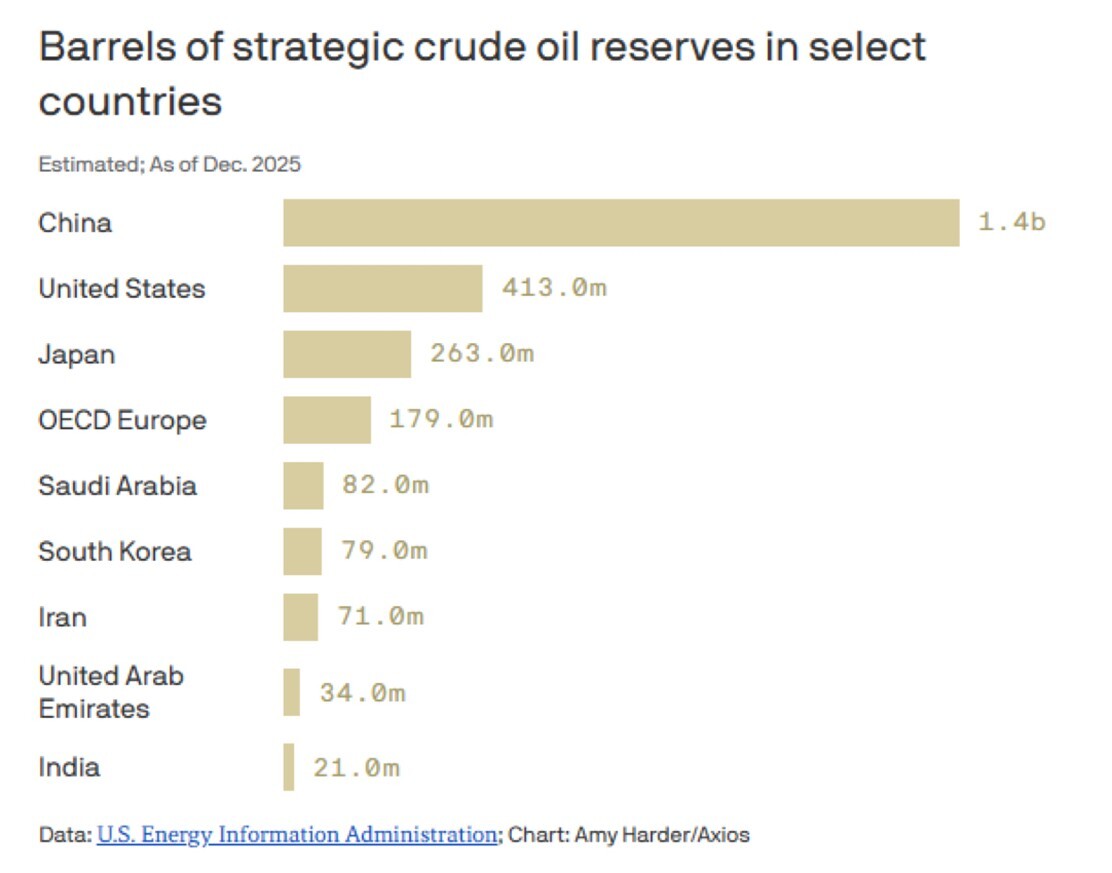
If risk is present, what is the mitigant? There are 8 billion “observable” barrels of oil inventory which you can see on the chart below that have been stashed. The one further below, tells an important story, who is preparing for Winter other than Ned Stark?
Cryptocurrencies
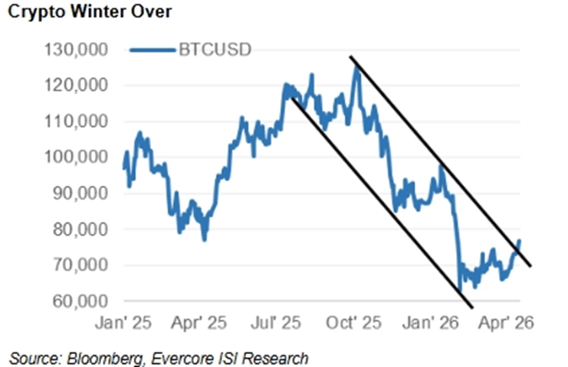
Is the latest Crypto Winter over?
Bitcoin is down 50% from its high and pushing out of its most recent downtrend, is this latest Crypto Winter over? In 2025, Crypto optimism was riding high on narratives of increased institutional adoption, friendly regulation, and general positive sentiment on all things Tech. Sentiment quickly shifted in October, though, as AI disruption concerns surfaced and related areas of Credit began to crack, the certainty of Fed cuts began to fade, and other legislative matters took precedence. Broader risk-on sentiment in software and tech, likely surfaces in Bitcoin as well.
Infrastructure
Aviation
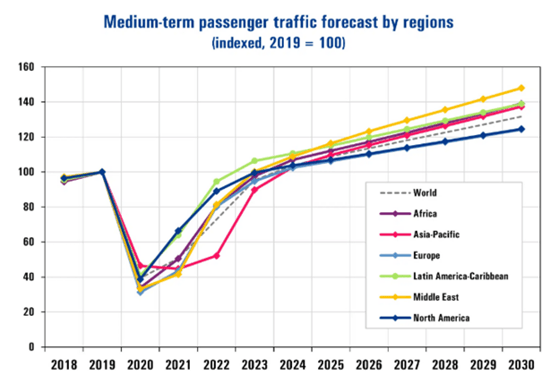
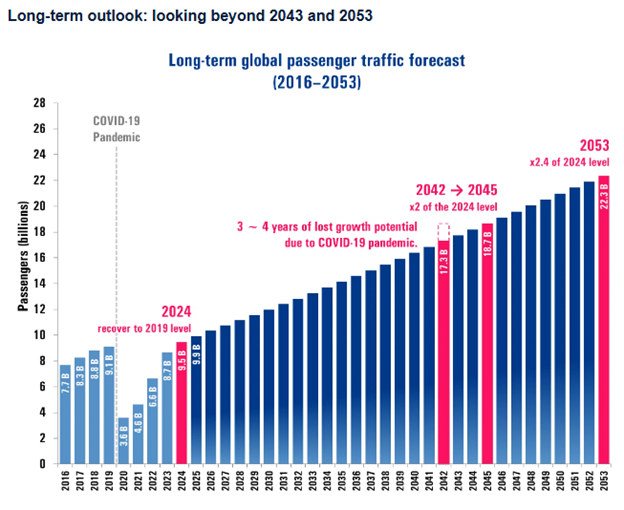
FAA Administrator Bryan Bedford has proposed a full overhaul of the aging national, air-traffic control system, replacing outdated analog infrastructure with a modern, software-driven network. He and Transportation Secretary, Sean Duffy, delivered an update on their ambitious project to create what the administration calls the Brand New Air Traffic Control System, or BNATCS. They urged Congress to supplement the $12.5 billion it approved last summer stating the initiative is aimed at improving safety, reducing delays, and increasing system capacity, following recent failures and strain on the current system.
The goal is:
- To move on from outdated systems that are increasingly difficult to maintain with obsolete parts and oversee the replacement of copper wires with fiber optic cables and upgrading hundreds of radio and radar systems.
- To help controllers manage rising flight volumes and reduce congestion in busy airspace corridors and address controller shortages through accelerated hiring and training. The FAA cited thousands of vacancies and recent disruption events tied to understaffing
- To leverage AI, the FAA is developing a new software tool for air traffic management called SMART, Strategic Management of Airspace Routing Trajectories. The DOT is speaking to three companies – Palantir, Thales and Airspace intelligence (ASI).
The project spans 10 million labor hours in 4,600 locations and collaboration with 50 vendors. Whether they will complete the project by the end of 2028 and within budget as stated, is yet to be determined.
Source: Airports Council International (ACI World)
Economic Calendar: Week Ahead (Eastern Time)
Tues, 4/28 @ 9:00 pm: S&P Case-Shiller home price index (20 cities)
@ 10:00 am: Consumer Confidence
@ 10:00 am: Pending Home Sales
Wed, 4/29 @ 8:30 am: Durable Goods Orders
@ 8:30 am: Housing Starts
@ 8:30 am: Building Permits
@ 2:00 pm: FOMC Interest-Rate Decision
@ 2:30 pm: Fed Chair Powell Press Conference
Thur, 4/30 @ 8:30 am: Initial Jobless Claims
@ 8:30 am: GDP
@ 8:30 am: Personal Income/ Spending
@ 8:30 am: PCE Index/ YoY
@ 8:30 am: Core PCE Index/ YoY
The Team Behind Friday Focus

Mary Ahn
Investment Research and Portfolio Strategy Manager

Cal Jones, CFA
Managing Director of Fixed Income

Eric Speron, CFA
Managing Director of Equities

Alton Tjahyono, CFA
Sr. Investment Strategist